Posts

Image
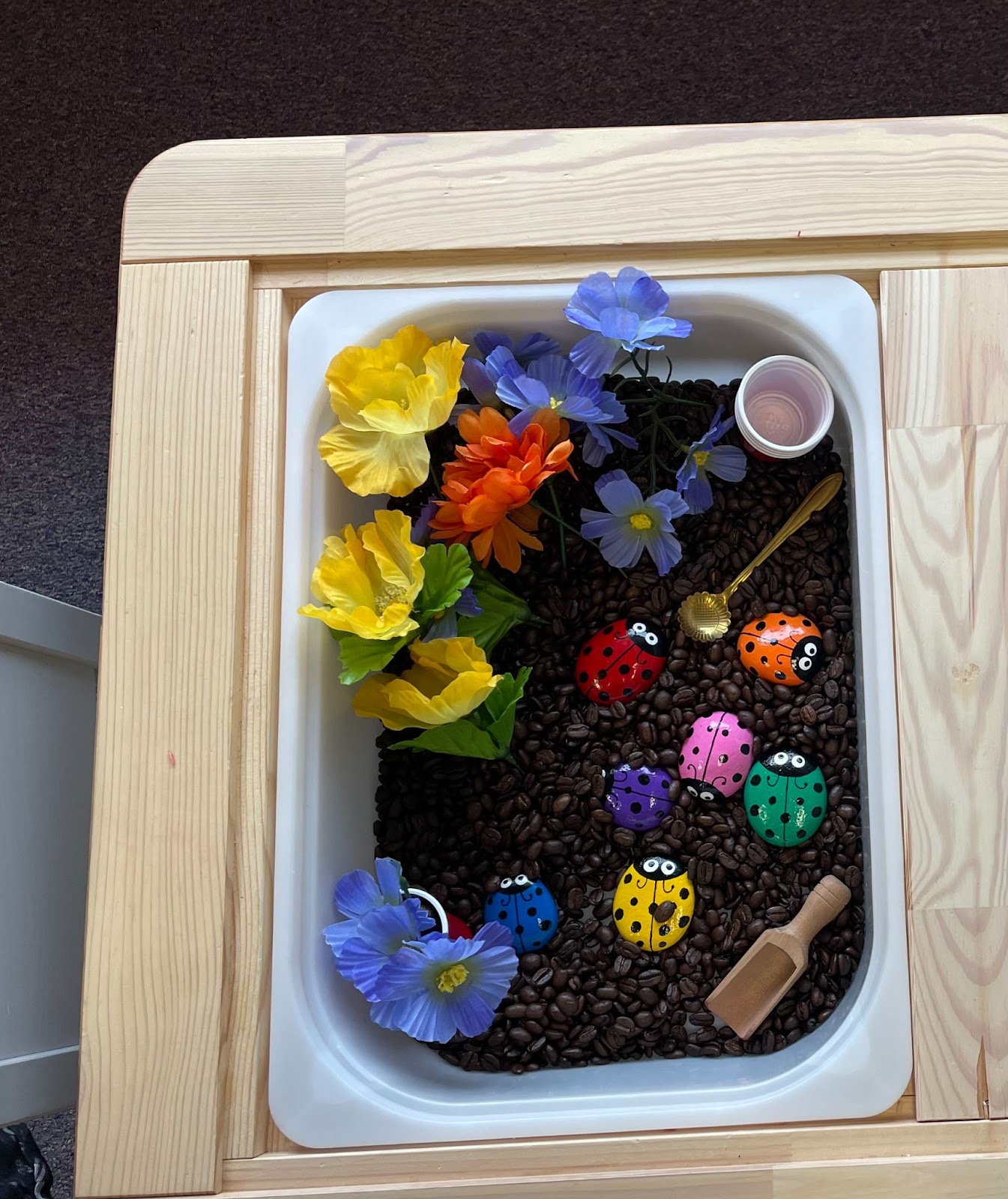
  All about the sensory table  Having a sensory table is surely a fantastic approach to facilitate young children’s development. It allows them to explore various materials with different tools, providing rich and engaging experience in exploration and learning.  Here are some benefits to set up a sensory table in the classroom.  1. Simulate 5 senses As we all know, young children discover the world with their senses. They are easily attracted by bright colors and fragrant scents. They also like to experience different textures by touching and playing with them. For example, when we talked about spring and bugs, I used coffee beans as a filter for the “dirt, “ adding some plastic flowers and stone-painted ladybugs. When I opened it, all of my little friends were so excited with the smell of the coffee beans, which they might be familiar with at home. Moreover, small tasting cups and scoops were used for “planting.” They all found different ways to experience the mate...
Image
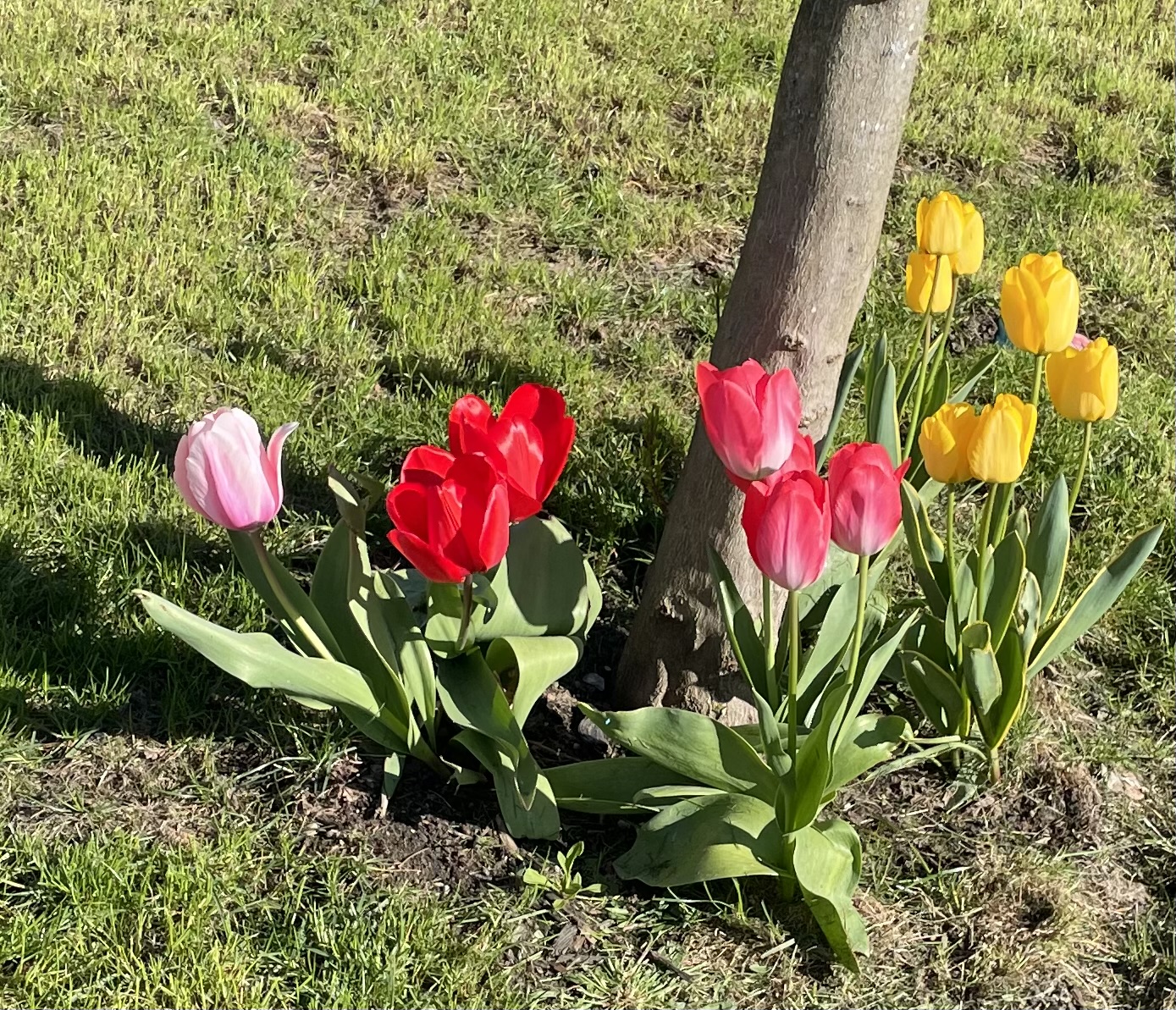
  Spring Walk  As a daycare teacher, I always like to take my little ones for a walk, especially in spring time. It does not matter how long the walk is because it is a delightful experience to see so much on the street in the neighborhood. With bright sunshine, gentle breath and fresh air, it is so enjoyable walking outside.  Usually, on the walk, we stop for observation. In the past few weeks, we have noticed the season changing. I asked my little friends how we now know it is springtime. They are all excited sharing what they see with me. Child M and I said they saw the green leaves on the trees. We stop at one of the trees and look closer to the leaves. The budding leaves on the trees are fascinating to my little friends, seeing the world come alive again.  Then, we noticed more and more flowers growing in the area. With various colors and shapes, they become beautiful decorations in this wonderful time. My little friends talked about their favorite colors, yello...
Image
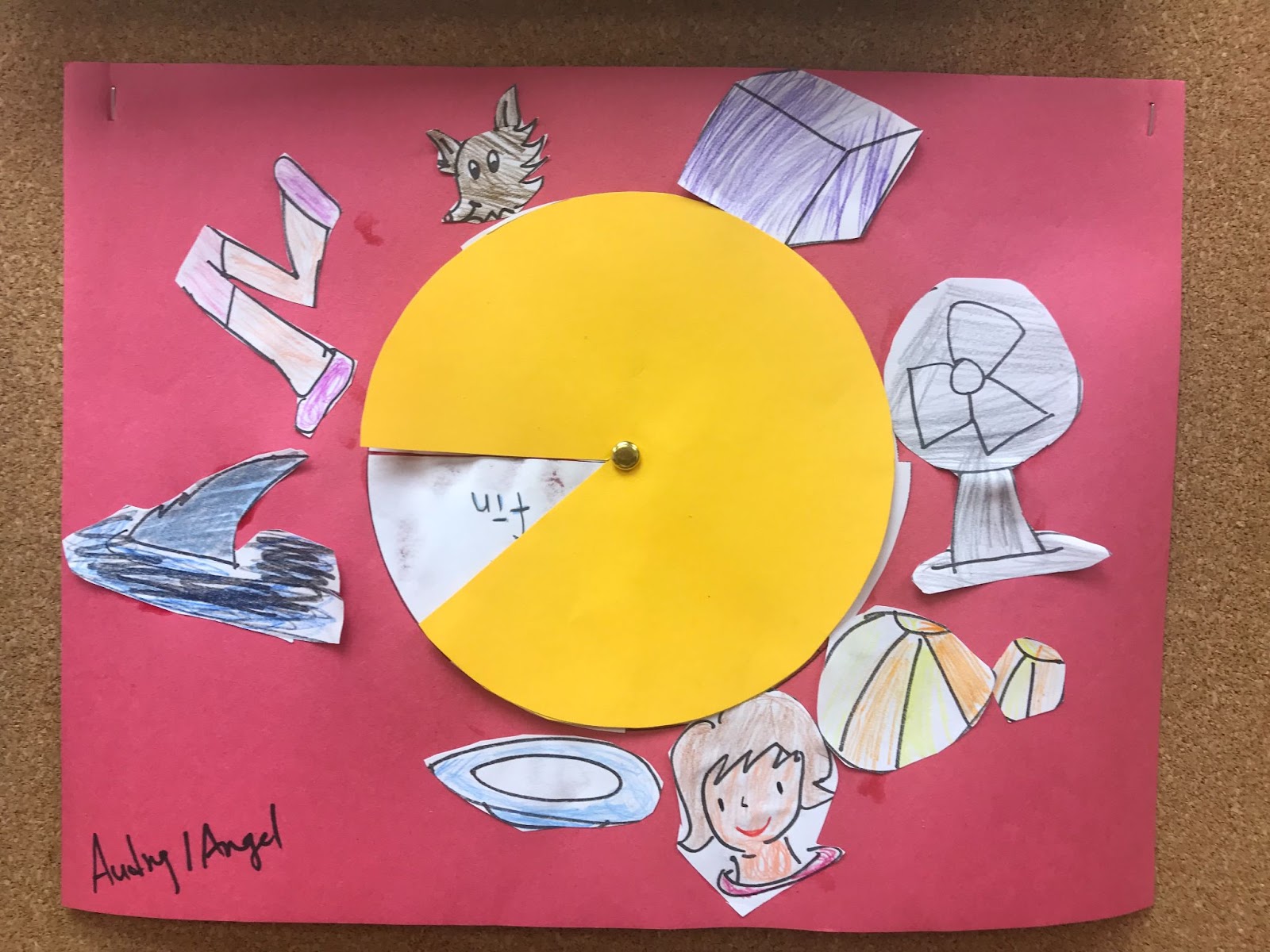
  Phonics Wall I had done so many Phonics Wall with young English learners. They all not only had fun making it but also are engaged more deeply with the phonics concepts they are learning . As we all know, phonics is the fundamental skill for reading and writing because it helps learners to decode the word by the individual or groups of letters they make. Here are some of the benefits of making a Phonics Wall.  1. Enhance their Phonics skills with visual aids  As we know, visual aids are surely beneficial for learners, especially when they come in handy. One of them is to reinforce memory retention significantly. In the classroom, I like to watch my young learners “read” and “review” the phonics words they make during the break time. I also remind them that they can check the phonics wall when they forget the letter sound while reading and spelling. It is much easier to remember the letter sound by seeing and interacting the phonics words frequently.  2. Gain a sens...
  The importance of consistency in an age of 3 to 5  group room To young children, consistency in managing behavior helps young children to develop a sense of responsibility and accountability. It tells young children the boundaries and expectations on what is acceptable and what is not in the group setting.  The common misbehaviors are having temper tantrums, pushing, biting, fighting for their turns, or interrupting the discussions or plays among the peers. Finding the cause of their misbehavior surly is essential. However, taking action and being consistent in managing these inappropriate behaviors are more powerful and just words. Here are some approaches I consistently use to handle these situations.  1. Stop the wrongdoing Let’s say Child A and Child L are pushing each other. Instead of saying “what happened,” I always say “stop” first. Then, I take them on the side, asking them what happened or finding out what caused the fight. For young children, they are s...
Image
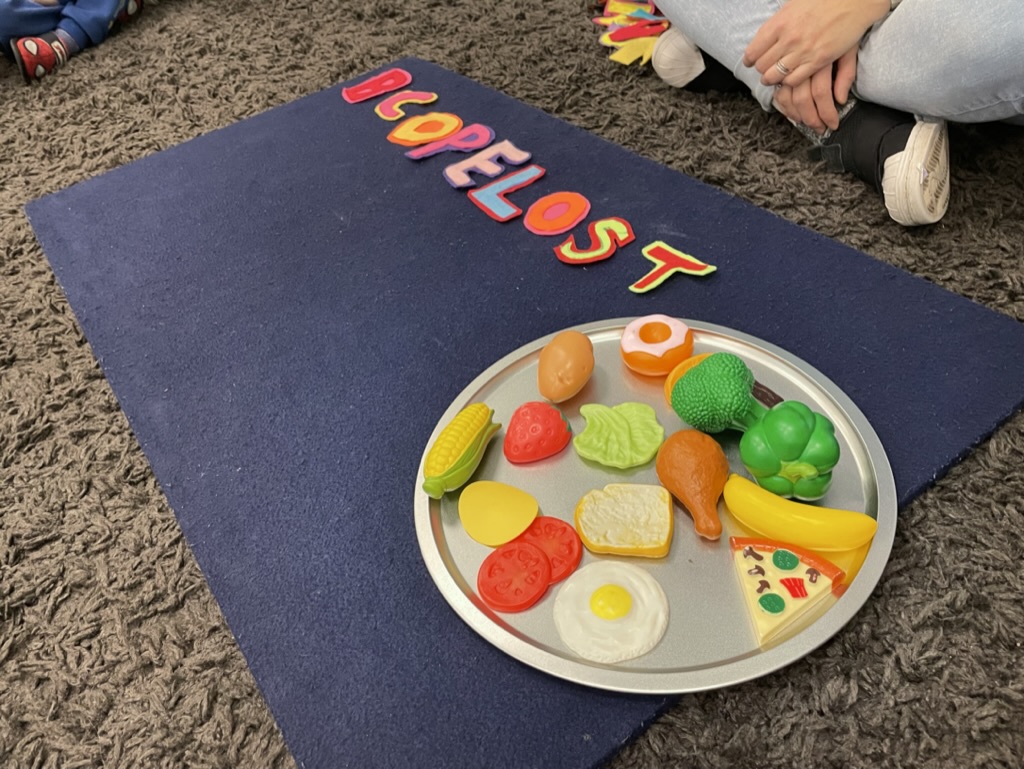
  Early literacy—letter recognition and tracing, activities we do in the classroom  It is significant to introduce literacy to young children even though they might not be able to “read” or “write” yet. It covers different aspects, including reading, letter recognition, tracing the letters and pre-writing. Most of the young children start showing their interests in letters around the age of 2 to 3 and keep “playing” and “practicing” with letters more through the age of 4 and 5. That’s a crucial time to enhance this skill and form a better foundation of reading since they would continue and develop this skill throughout the early years of the school. Here are some of the activities we do in the classroom. 1.  What letter does_______  begin with? Have the felt story items or real objects on one side and line the alphabets  that are associated with the beginning letters with the items on the other side.  First, review the letter names and then the items. Ask a...
Image
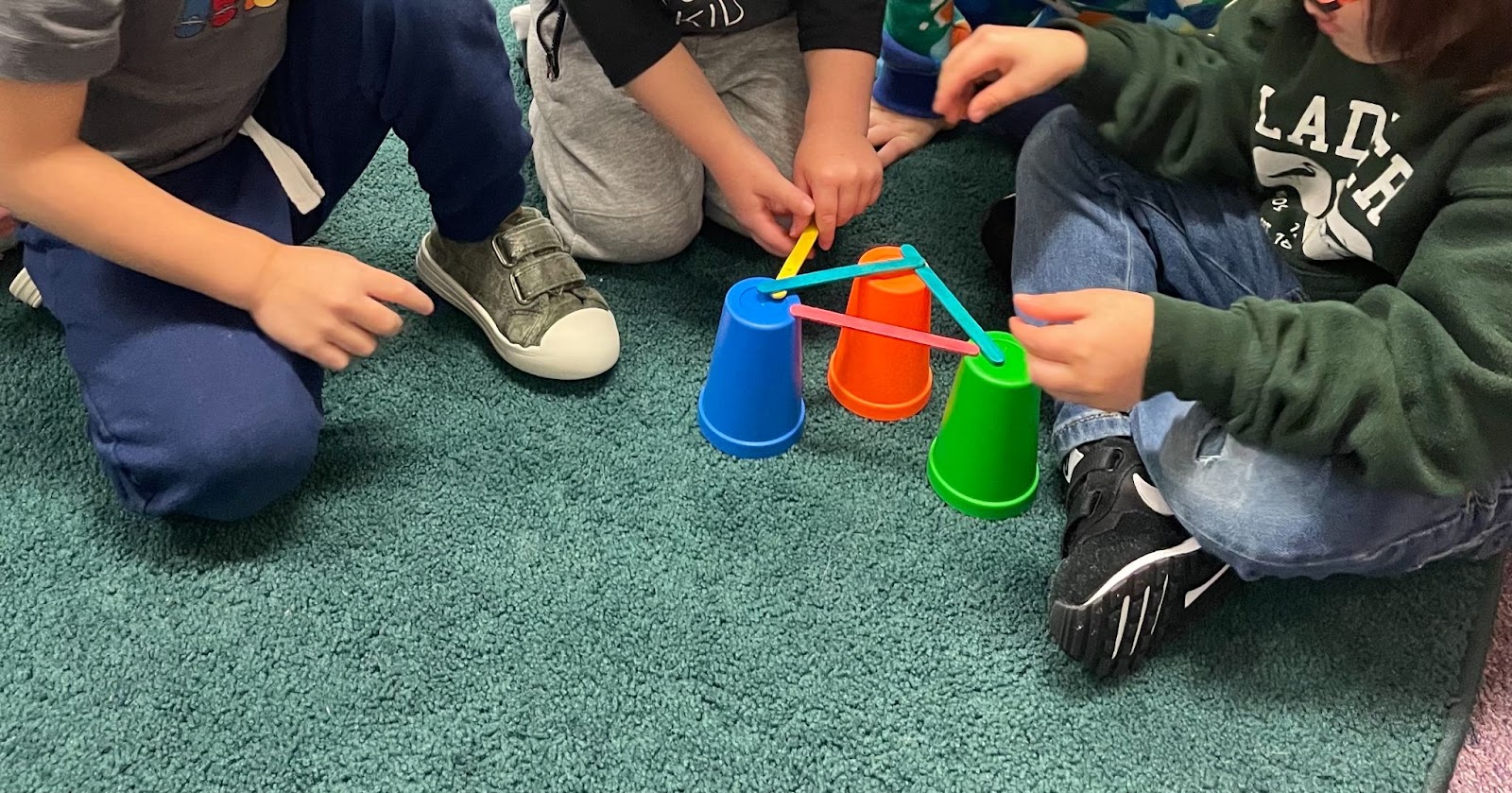
How children reconstruct the guided activity to their free plays My little friends always surprise me with their capacity for learning and creativity. At the circle time, guided activities with specific instructions are surely beneficial for the young learners. Even more, to observe how they reconstruct certain activities in their free plays truly amazed me. Here are some examples. 1.  Small bears on the bridge. When we talked about bears, I incorporated science and math in this theme. I used colored cups and popsicle sticks to create “bridges” and put some small bears on the top of each popsicle stick. We tried to put as many bears as we could while keeping the bridges in balance. Then, I put my little friends into small groups, gave them some cups, sticks and bears and asked them to work as a team to build a bridge. They surely had fun. On the second day, when I opened it as one of the table time activities, Child E reconstructed the bridges with the small bears on the top of the...
Image
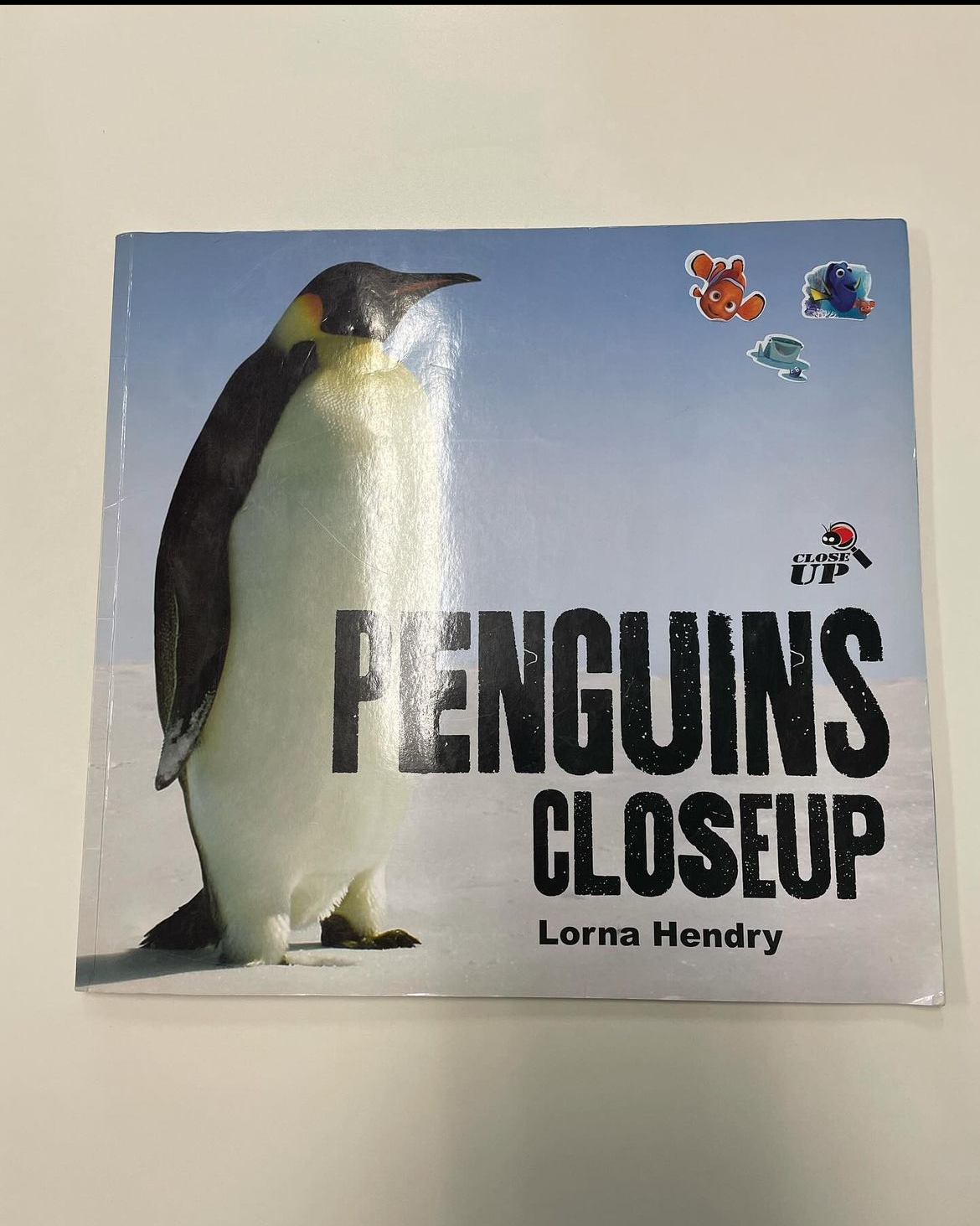
Penguins—circle times  Penguins are apparently one of the most popular topics in winter. Here is how I plan out the circle times and activities.  Songs 5 little penguins went out one day, over the hill and far away. Mama penguin sais” come back.” Only 4 little penguins came back.  4 little penguins went out one day, over the hill and far away. Mama penguin sais” come back.” Only 3 little penguins came back.  3 little penguins went out one day, over the hill and far away. Mama penguin sais” come back.” Only 2 little penguins came back.  2 little penguins went out one day, over the hill and far away. Mama penguin sais” come back.” Only 1 little penguin came back.  1 little penguin went out one day, over the hill and far away. Mama penguin sais” come back.” No more little penguins came back.  5 little penguins slide on the ice. One hurt his leg and said “oh ouch!” Mama called the doctor and the doctor said, “ put that penguin straight on the bed.” 4 littl...