The importance of consistency in an age of 3 to 5 group room To young children, consistency in managing behavior helps young children to develop a sense of responsibility and accountability. It tells young children the boundaries and expectations on what is acceptable and what is not in the group setting. The common misbehaviors are having temper tantrums, pushing, biting, fighting for their turns, or interrupting the discussions or plays among the peers. Finding the cause of their misbehavior surly is essential. However, taking action and being consistent in managing these inappropriate behaviors are more powerful and just words. Here are some approaches I consistently use to handle these situations. 1. Stop the wrongdoing Let’s say Child A and Child L are pushing each other. Instead of saying “what happened,” I always say “stop” first. Then, I take them on the side, asking them what happened or finding out what caused the fight. For young children, they are s...
Posts
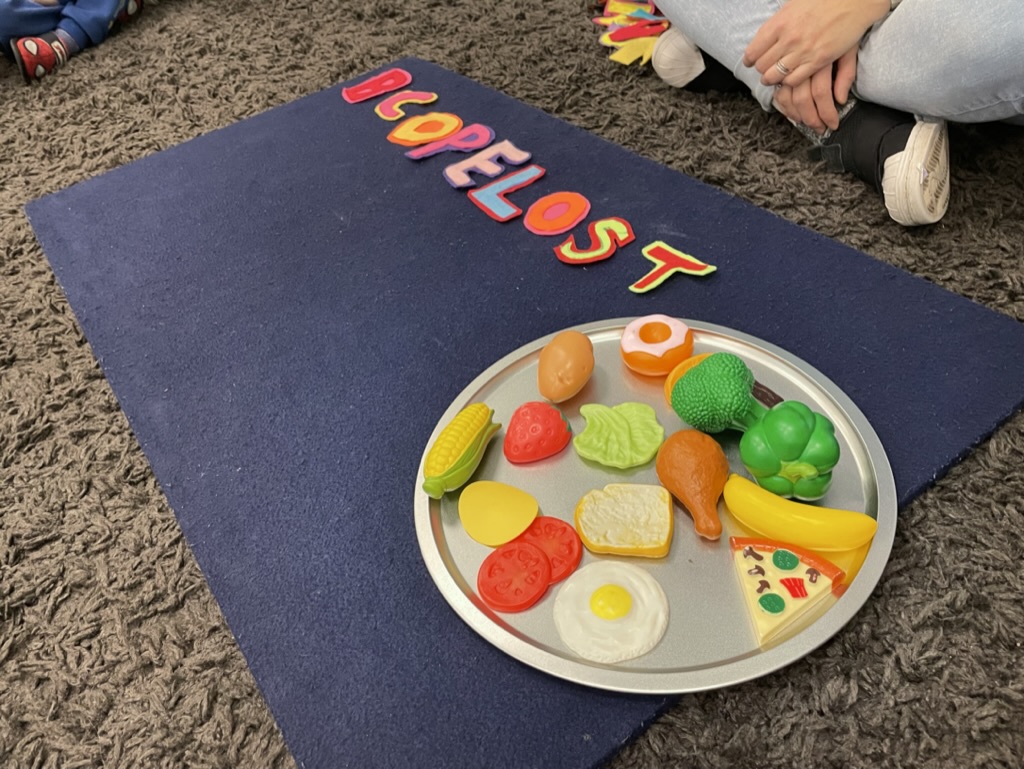
Early literacy—letter recognition and tracing, activities we do in the classroom It is significant to introduce literacy to young children even though they might not be able to “read” or “write” yet. It covers different aspects, including reading, letter recognition, tracing the letters and pre-writing. Most of the young children start showing their interests in letters around the age of 2 to 3 and keep “playing” and “practicing” with letters more through the age of 4 and 5. That’s a crucial time to enhance this skill and form a better foundation of reading since they would continue and develop this skill throughout the early years of the school. Here are some of the activities we do in the classroom. 1. What letter does_______ begin with? Have the felt story items or real objects on one side and line the alphabets that are associated with the beginning letters with the items on the other side. First, review the letter names and then the items. Ask a...
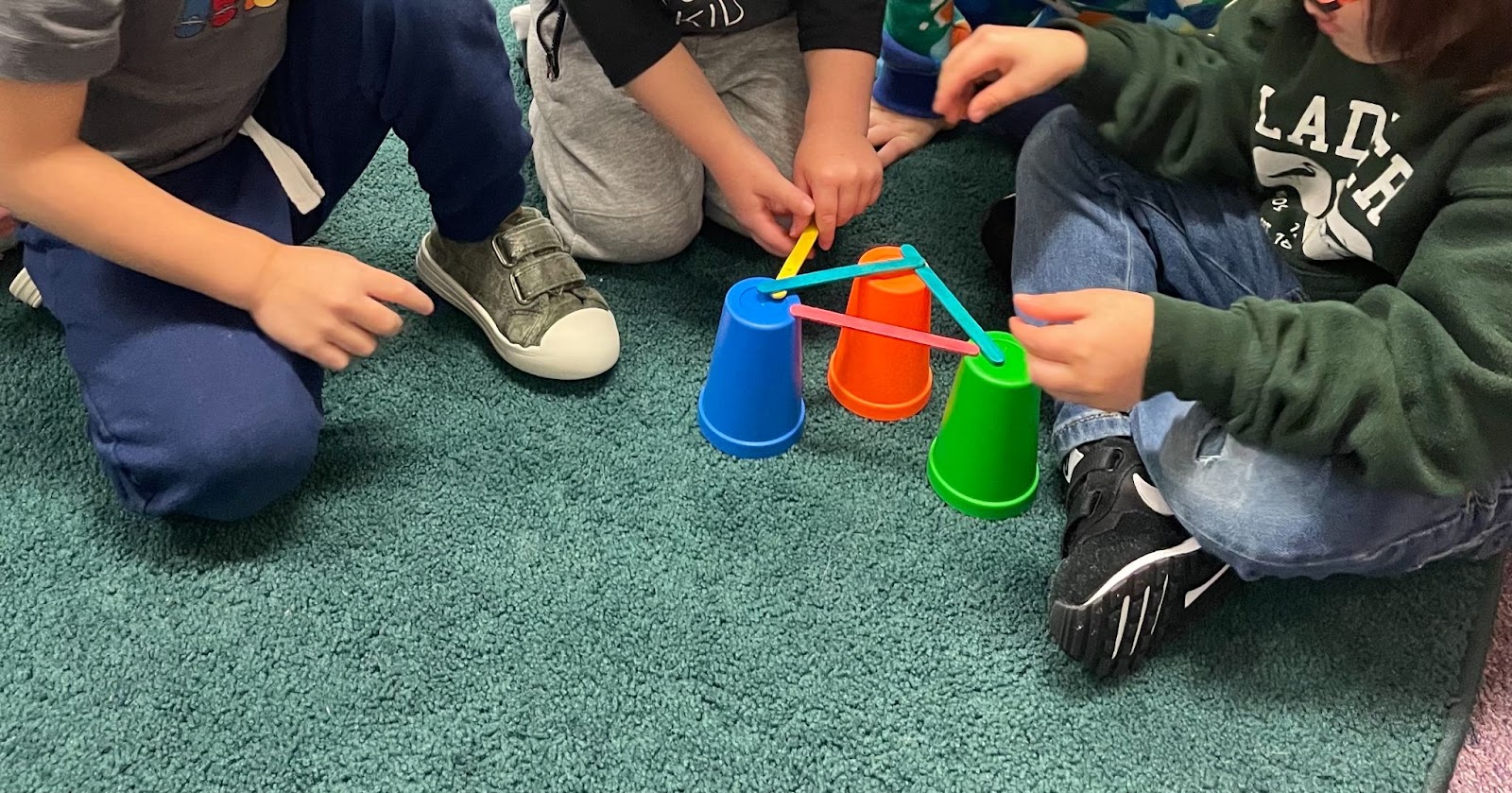
How children reconstruct the guided activity to their free plays My little friends always surprise me with their capacity for learning and creativity. At the circle time, guided activities with specific instructions are surely beneficial for the young learners. Even more, to observe how they reconstruct certain activities in their free plays truly amazed me. Here are some examples. 1. Small bears on the bridge. When we talked about bears, I incorporated science and math in this theme. I used colored cups and popsicle sticks to create “bridges” and put some small bears on the top of each popsicle stick. We tried to put as many bears as we could while keeping the bridges in balance. Then, I put my little friends into small groups, gave them some cups, sticks and bears and asked them to work as a team to build a bridge. They surely had fun. On the second day, when I opened it as one of the table time activities, Child E reconstructed the bridges with the small bears on the top of the...
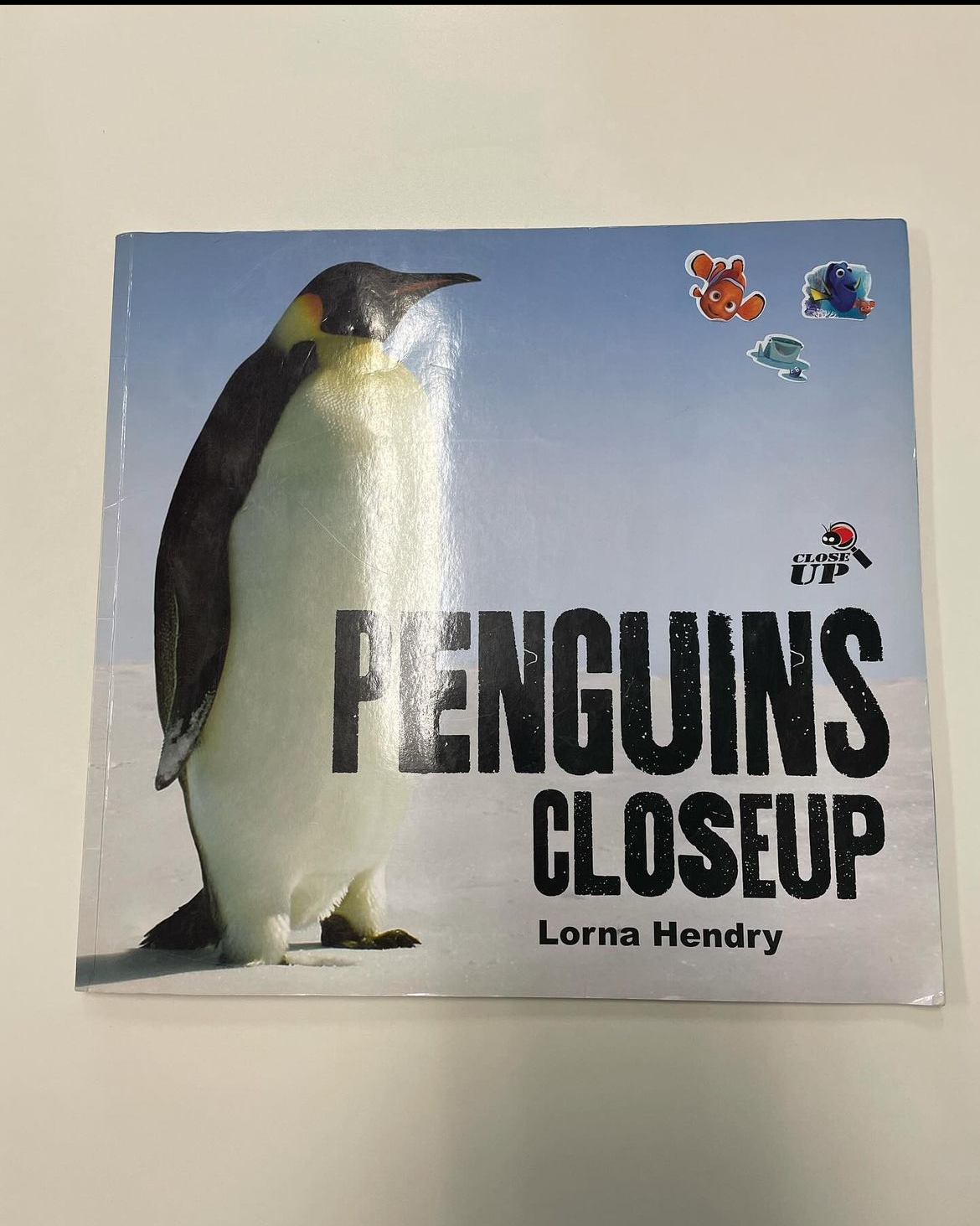
Penguins—circle times Penguins are apparently one of the most popular topics in winter. Here is how I plan out the circle times and activities. Songs 5 little penguins went out one day, over the hill and far away. Mama penguin sais” come back.” Only 4 little penguins came back. 4 little penguins went out one day, over the hill and far away. Mama penguin sais” come back.” Only 3 little penguins came back. 3 little penguins went out one day, over the hill and far away. Mama penguin sais” come back.” Only 2 little penguins came back. 2 little penguins went out one day, over the hill and far away. Mama penguin sais” come back.” Only 1 little penguin came back. 1 little penguin went out one day, over the hill and far away. Mama penguin sais” come back.” No more little penguins came back. 5 little penguins slide on the ice. One hurt his leg and said “oh ouch!” Mama called the doctor and the doctor said, “ put that penguin straight on the bed.” 4 littl...
We’re Going on a Bear Hunt “We’re Going on a Bear Hunt” is a well-known children’s book. While I was preparing for the Bear theme, this book popped into my mind right away. Other than just reading the story, I would like to come up with an activity with hands-on and interactive elements to enhance storytelling experience. I did some research online. However, most of the activities are either arts and crafts or making a map. Therefore, instead of just making a map, I used toys found in the classroom to create the “ plots” from the story. The first one is grass made up with some green Lego Duplo. Then, some wooden blocks are used as “mud.” The felt trees are arranged as the forest, and some blue crystals on a blue blanket as a river. Finally, the bear hinds in the cave. All the stations are small but symbolic. I also draw out the map in accordance with the story on the whiteboard to visualize the pictures for my little ones. So, here is how I conducted this activity. We...
There are tons of available resources online along with books. The question is how to pull out the resources needed and integrated into current curriculum and activities plans. Here are some tips. Structure the outline for the entire unit in accordance with the given schedule. Before planning activities, the learning goals should be set and break down into daily lesson plans. Introduction of the topic is usually a great start. Building up background information as well as expliciting the existing knowledge of the topic is the beginning of scaffolding. Considering the attention from the age of the group is given, pictures and photos are the best. Then, a daily lesson comes along covering different subjects. Arts and crafts can be scattered in a week or two since it could be done as an individual project. Gross motor skills activities can be planned either inside or outside, depending on the weather condition. A unit plan definitely gives teachers a clear picture on what to prepare...
My perspective to view students’ mistakes on their work and tests First of all, in my opinion, students are surely allowed to make mistakes in their work because it is one of the crucial parts of the learning process. Thus, as a teacher, this is a great opportunity to evaluate a student’s progress. In other words, the workbook/worksheets/projects can be used as informal assessments. The result should reflect back to the curriculum or next lesson plans to enhance students' understanding of a particular concept or further clarification. Students should also be responsible for their work. Before they hand in their assignment, they should check their work and try to correct the mistakes they spot on. Self-correcting fosters a sense of accountability. It helps them prompt analyzing and critical thinking skills by rethinking where to correct or make it better. As a teacher, I believe I am a facilitator. When I circle their mistakes and provide the correct ones after their first t...