Posts

Image
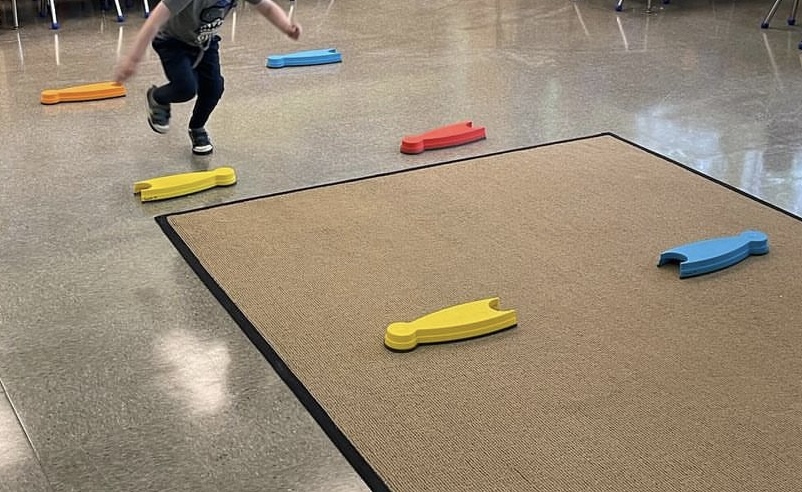
  Connecting the world—the Olympic Day at the daycare The 2024 Olympics in Paris is the most highlighted and cheerful event this year. To bring our little friends to “participate” in these glorified sports games, an Olympics theme week and Special Day has been set on their school calendar.  Introduction to the Olympics We opened the Olympics week by introducing the history of the Olympics and the sports played in this event. The main focus was on the colors and the meanings of the rings. We also talked about the cities that have held the Olympics, emphasizing  the hosting city, Pairs, this year. I showed the little ones where Pairs is on the globe and reviewed the continents and countries learned last year. I also drew some of the pictograms  and had the little ones to guess what sports it is, even having them imitate the pictograms, which led to much fun.  Preparing for Olympics Day Then, in the next few days, we had been “preparing” for the Olympics Day by try...
Image
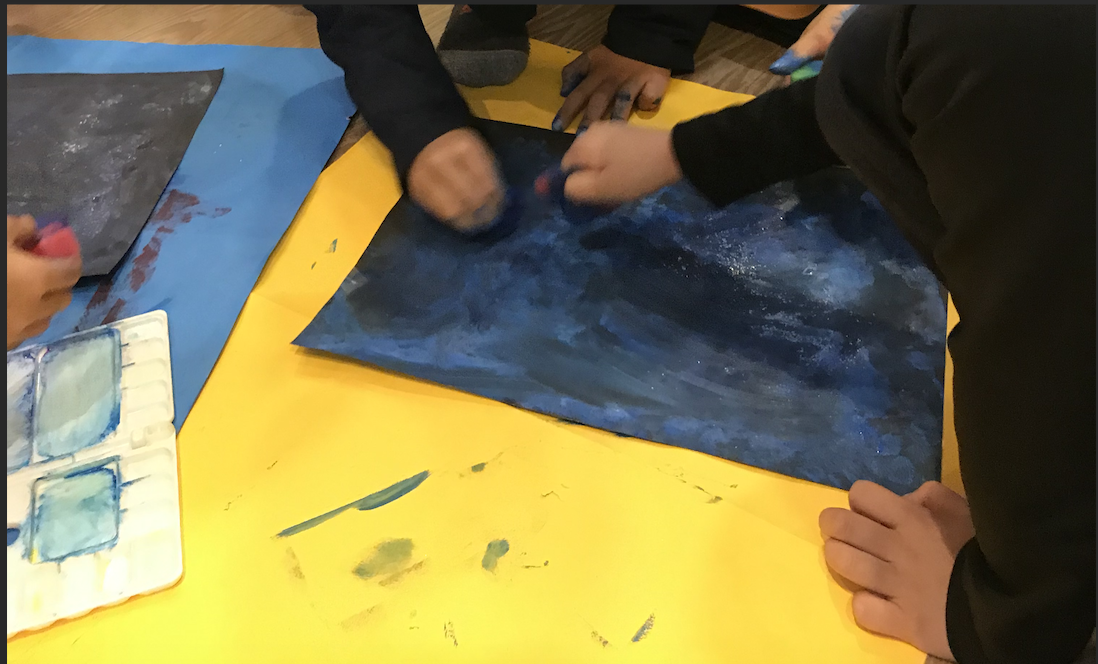
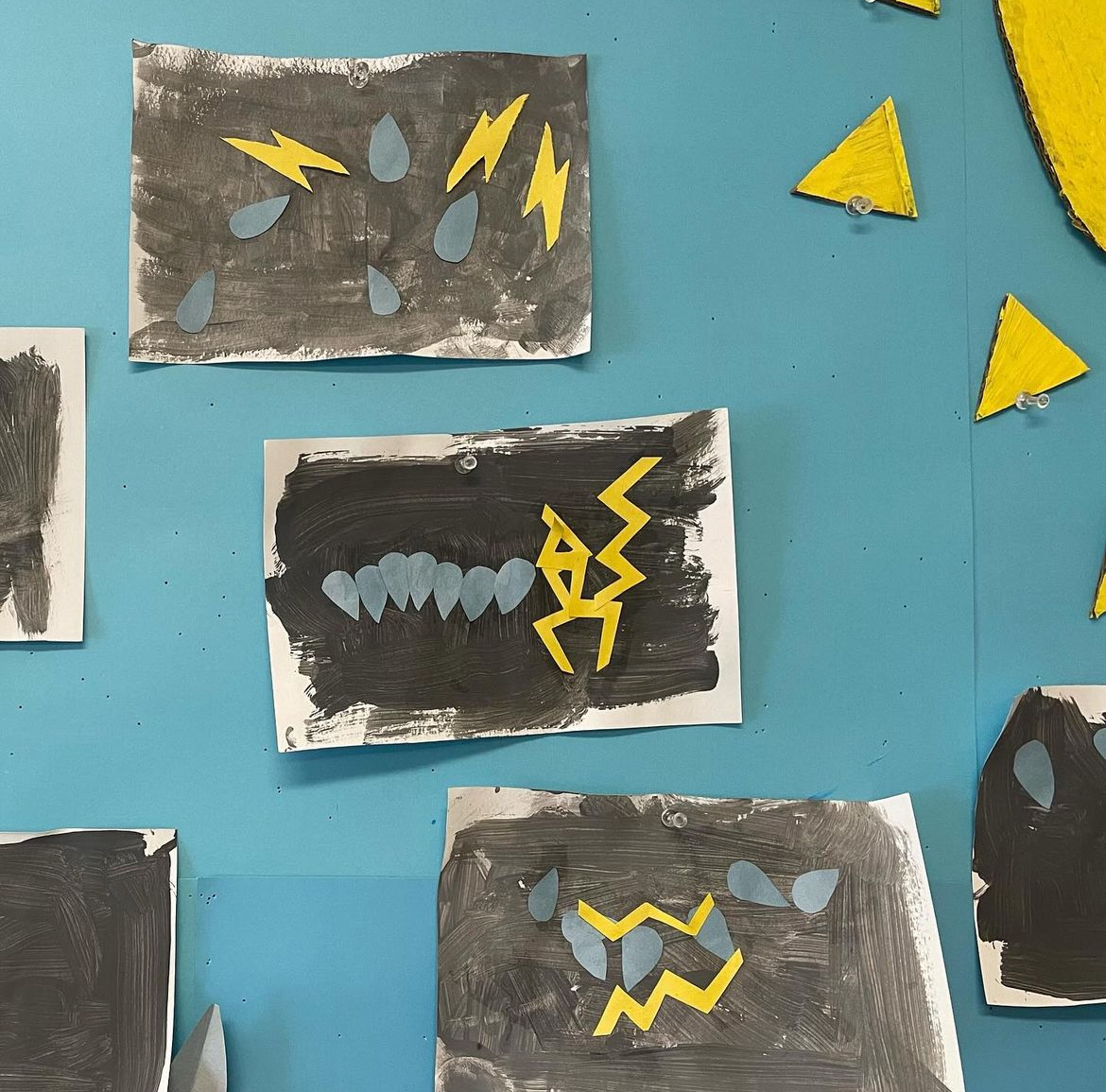
  Why I support product arts in early education Before answering my own question I think it is important to make clarification about the difference between proceed arts and product arts in early education. The main purpose of the product arts is to support fine motor and executive function skills while the processed art emphasizes on inspiring creativity and exploration.  So.what is produced arts? It is simple! The child knows what the “product” looks like when they begin the project. It is led by a teacher and a child is required to process the given instructions or perform certain specific techniques to achieve the end goal. To me, in the early education setting, product arts not only provide structure but also flexibility and variety. What does it mean?  1. Variety in material and techniques When the center chooses the arts and crafts, various materials and agents are considered to keep children engaged and excited. For example, we made a beehive with a piece of bubble...
Image
  Project-based extension activities  I used to teach all-English programs to elementary school children for years. To me, the primary purpose of learning languages is always communication. The learners  use the particular language they learn not only to express themselves but also explore the world.  Considering their age and interest, adding project-based extension activities after completing provide full informal assessment for me as well as increase their motivation of learning.  Since English is not their first language and the classroom is probably the only place they have full langage exposure, I always plan the project with all the details, including key goals, required resources and material, and timeline. I also carefully design the procedures because it usually takes several weeks to complete the task. The other core value of PBL is collaboration. Thus, when I group up my students, I pay extra attention to their personalities and capability, to ensure...
Image
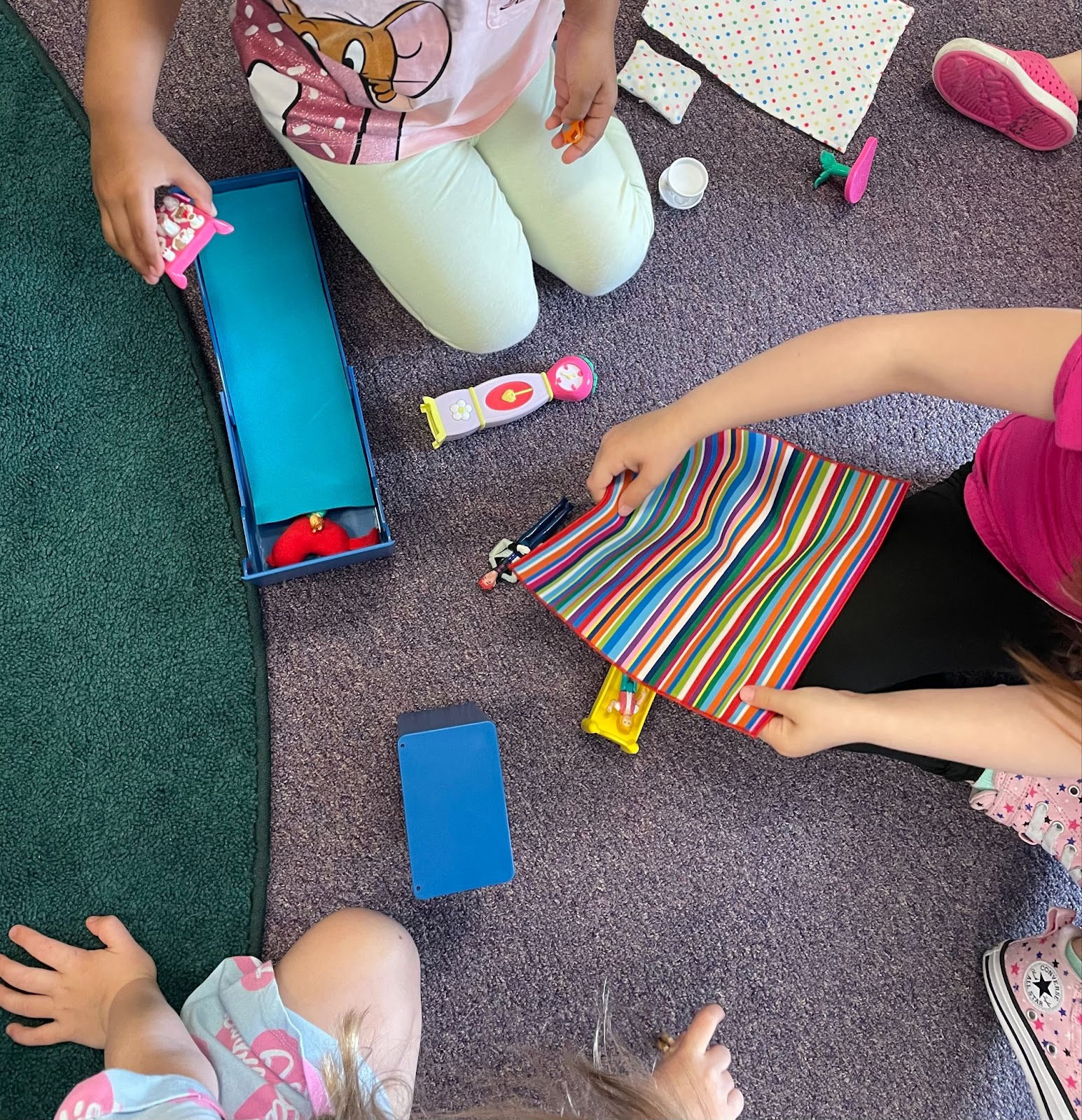
The moments…… Scenario 1 It is ok!    Child W is crying. He is almost two and has been with us since last September. Apparently, a little friend just grabbed a toy “back” from his hand. I talked to both of the boys and Child W still has a few drops of tears on his face. Then, Child L went over, giving Child W a hug, patting his back and trying to comfort him. It was a very touching moment, seeing my little one has empathy and being willing to make her friends feel loved really made my day! Scenario 2 We did it! Playhouse with mini dolls and furniture is always popular among the little ones, especially the girls. They just love dramatic plays. The pieces are stored in a container and need some “techniques” to put all of them back in the box due to the different sizes and shapes. I have demonstrated how to arrange  the pieces, starting with the biggest piece, such as sofa, closet or bed and then moving on to tables, chairs and other smaller ones. They usually need my help b...
Image
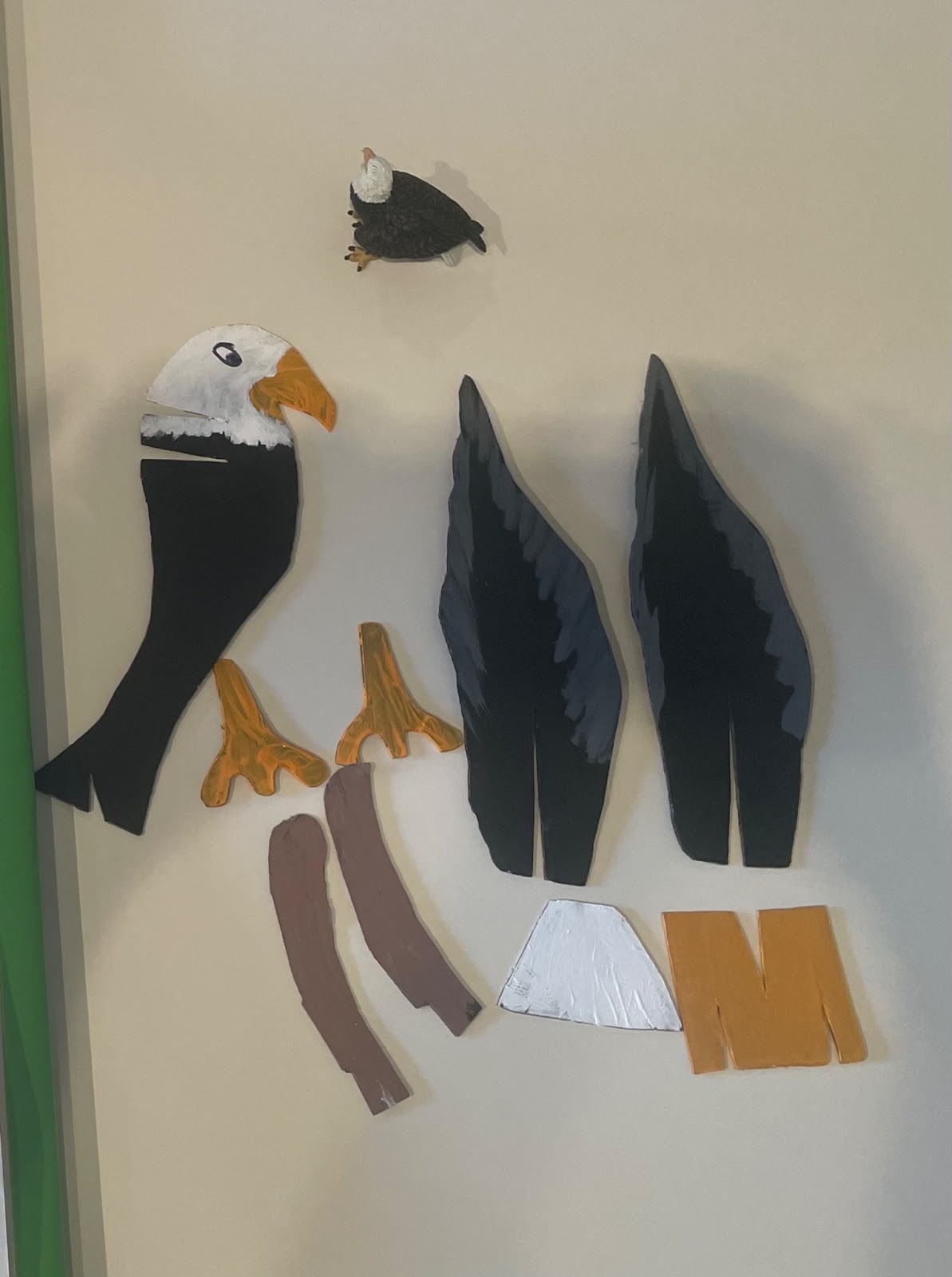
  How I adapt online resources to my classroom—an eagle cardboard puzzle and feed the bird with worm activity One of the popular themes on the curricula in daycare is about birds. This spring when we have a bird as a theme, I would like to try some activities that integrate more fine motor skills with science and math concepts. Immediately, an eagle puzzle popped up in my head. Personally, the eagle is my favorite bird. Also, eagles are commonly seen in North America. I think the little ones will be fascinated with this powerful but beautiful creature.  Before I did some research online, making a 3-dimensional eagle puzzle game was already my first attempt. First, it is a great game to review the body parts of a bird. Also, by assembling the pieces, the little one not only enhances their fine motor skills but also learns how to balance the eagle.  However, I could not find any templates or samples made with cardboard online.. Instead of purchasing a pre-made wooden one, I...
Image
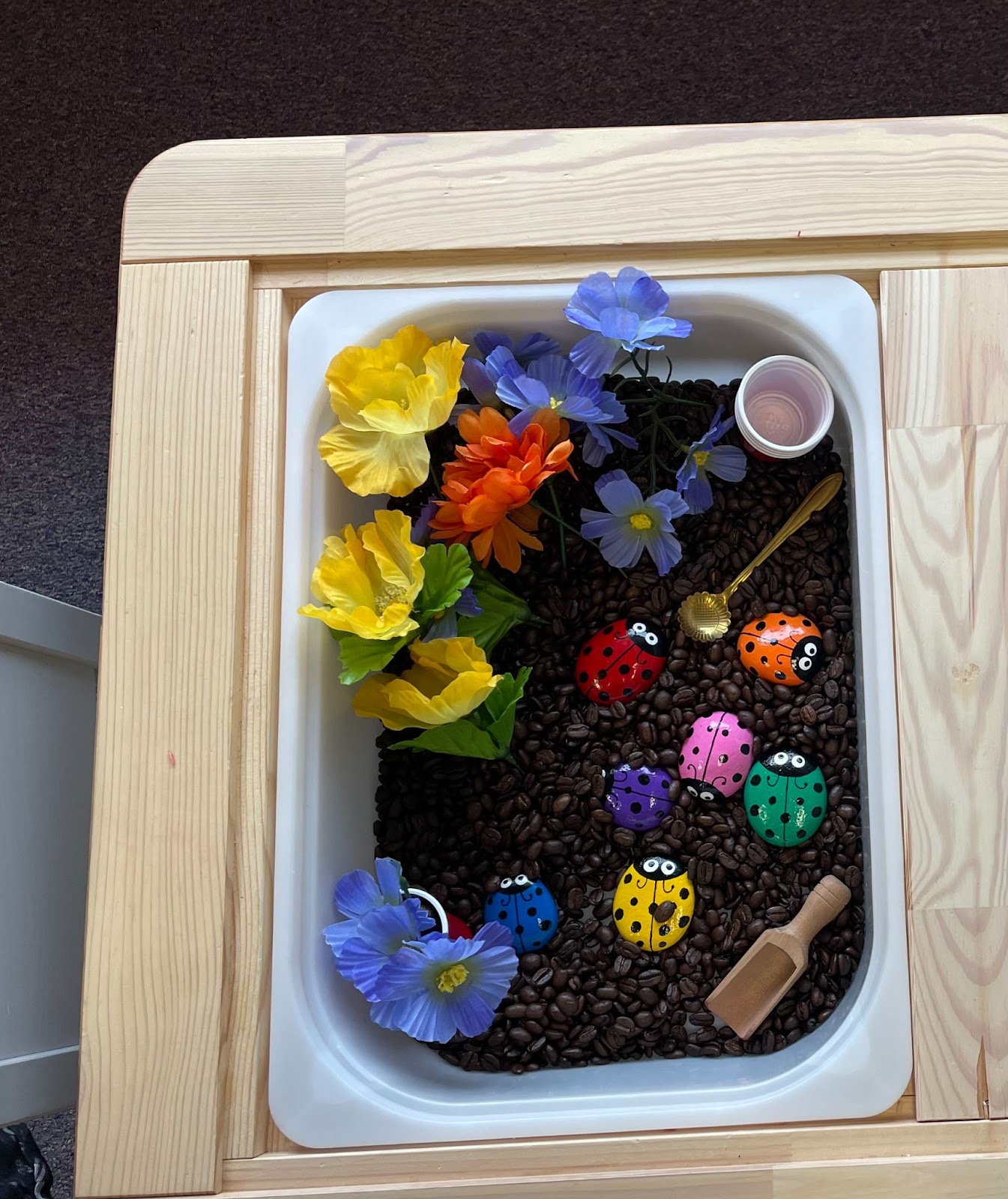
  All about the sensory table  Having a sensory table is surely a fantastic approach to facilitate young children’s development. It allows them to explore various materials with different tools, providing rich and engaging experience in exploration and learning.  Here are some benefits to set up a sensory table in the classroom.  1. Simulate 5 senses As we all know, young children discover the world with their senses. They are easily attracted by bright colors and fragrant scents. They also like to experience different textures by touching and playing with them. For example, when we talked about spring and bugs, I used coffee beans as a filter for the “dirt, “ adding some plastic flowers and stone-painted ladybugs. When I opened it, all of my little friends were so excited with the smell of the coffee beans, which they might be familiar with at home. Moreover, small tasting cups and scoops were used for “planting.” They all found different ways to experience the mate...
Image
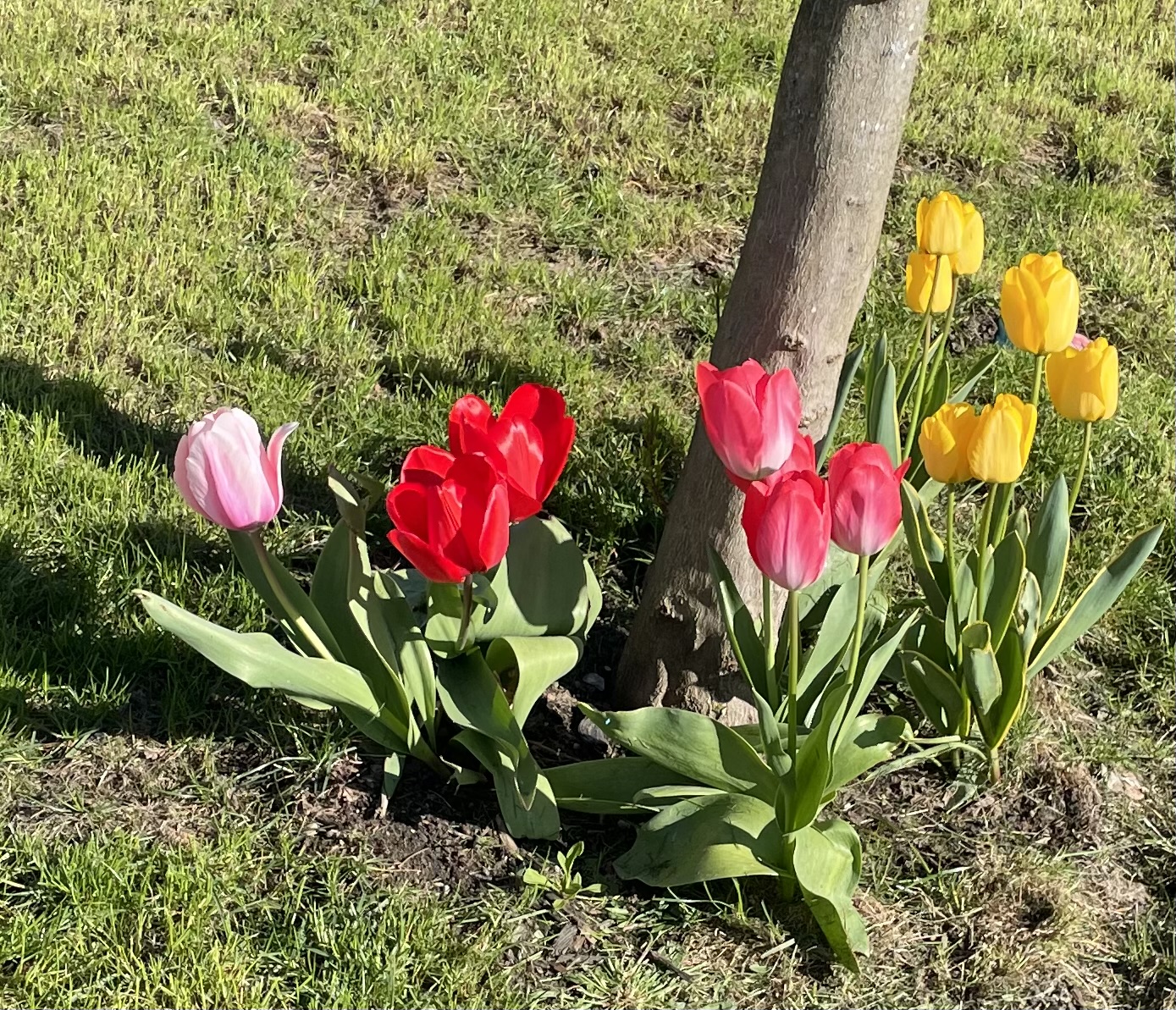
  Spring Walk  As a daycare teacher, I always like to take my little ones for a walk, especially in spring time. It does not matter how long the walk is because it is a delightful experience to see so much on the street in the neighborhood. With bright sunshine, gentle breath and fresh air, it is so enjoyable walking outside.  Usually, on the walk, we stop for observation. In the past few weeks, we have noticed the season changing. I asked my little friends how we now know it is springtime. They are all excited sharing what they see with me. Child M and I said they saw the green leaves on the trees. We stop at one of the trees and look closer to the leaves. The budding leaves on the trees are fascinating to my little friends, seeing the world come alive again.  Then, we noticed more and more flowers growing in the area. With various colors and shapes, they become beautiful decorations in this wonderful time. My little friends talked about their favorite colors, yello...